World Updates
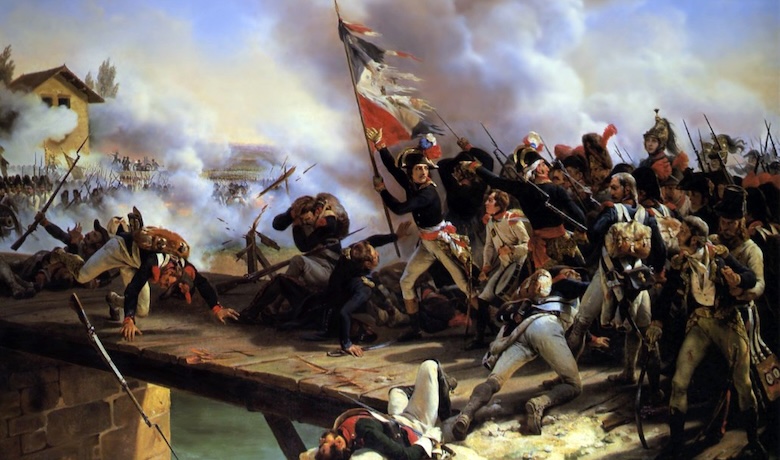
The Rousseau-Portalis Doctrine: French Legal Thought and the Law of War – Part I
Editors’ note: This is the first in a two-part post illustrating the impact of French legal thought on the formation of the law of war with a specific focus on the Rousseau-Portalis Doctrine. The first post provides a brief background on Jean-Jacques Rousseau and Jean-Étienne-Marie Portalis, their views on the law of nations, and their […]

Military Use of Biometrics Series – Introduction
On 7-8 May 2024, a conference brought together a group of scholars and practitioners to discuss the law applicable to the use of biometrics by armed forces. The conference, which took place in Tallinn, Estonia, was organized by the War Studies Research Centre (WSRC) of the Netherlands Defence Academy, the NATO Cooperative Cyber Defence Centre […]
A Decisive Moment Concerning Individual Rights and the Law of War?
The question of whether individuals can hold rights under international law has hovered at the edges of international jurisprudence for a century. From the Permanent Court of International Justice’s 1928 Opinion on Jurisdiction of the Courts of Danzig, through the International Court of Justice’s (ICJ) 2001 LaGrand decision and the 2012 Jurisdictional Immunities of the State case, the Court has […]
In Honor of Françoise Hampson – Calibrating the Balance Between Military Necessity and Humanity in LOAC Practice
Editors’ note: This post is part of a series to honor Françoise Hampson, who passed away on April 18, 2025. These posts recognize Professor Hampson’s work and the significant contribution her scholarship made to our understanding of international law. Reflecting on 30 years of teaching the law of armed conflict (LOAC) to law students, military […]
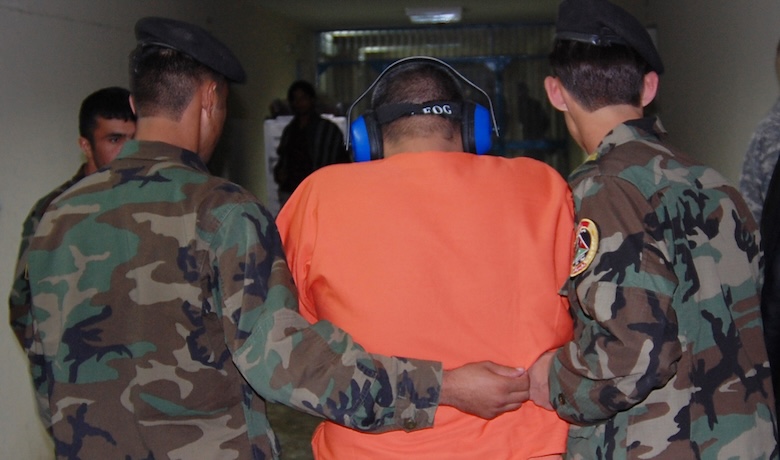
Detention Operations on the Korean Peninsula: Historical Insights and Legal Risks
The United States Military Academy (USMA) offers internships and immersion programs every summer as part of the Academic Individual Advanced Development (AIAD) initiative to expand cadets’ knowledge through experiential learning. Within this program, the West Point Department of Law and Philosophy uses AIADs to expose cadets to the importance of the law of armed conflict […]
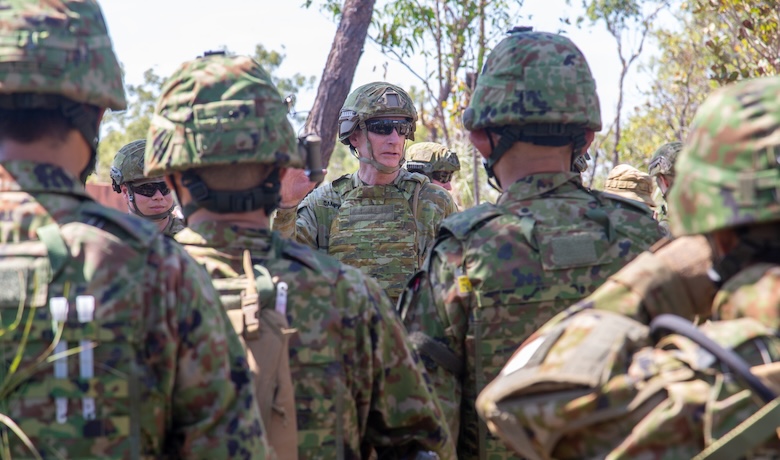
Mission Command Responsibility – Lieber Institute West Point
When Justice Paul Brereton’s report on alleged Australian war crimes in Afghanistan was released, it sent shockwaves in Australia and internationally. It confronted and confirmed uncomfortable truths: that within Australia’s most elite military units, a small number of personnel had likely engaged in unlawful killings, and that a culture of silence had allowed those acts […]
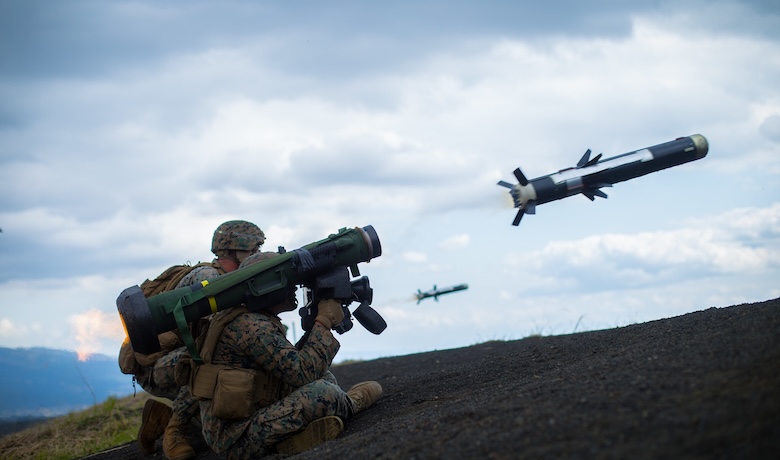
In Honor of Françoise Hampson – Teaching and Operationalising LOAC
Editors’ note: This post is part of a series to honor Françoise Hampson, who passed away on April 18, 2025. These posts recognize Professor Hampson’s work and the significant contribution her scholarship made to our understanding of international law. “In order for there to be any chance of the rules being respected, it must be […]
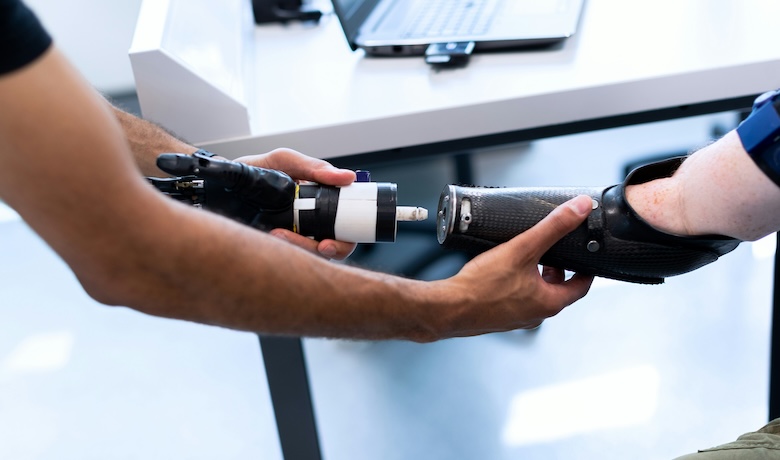
Military Use of Biometrics Series – The Body Does Not Lie, or Does It? Towards a Disability-Inclusive Approach to Military Biometrics
Editors’ note: This post is part of a series relating to the law applicable to the military use of biometrics. It is drawn from the author’s article-length work, “The Military Fantasy of Biometrics: Neglecting the Risks of the Normalizing of Bodies During Armed Conflicts” appearing in the Journal of International Humanitarian Legal Studies. The introductory […]

Military Use of Biometrics Series – Israel’s Use of AI-DSS and Facial Recognition Technology: The Erosion of Civilian Protection in Gaza
Editors’ note: This post is part of a series relating to the law applicable to the military use of biometrics. It is drawn from the author’s article-length work, “The Use of the ‘Lavender’ in Gaza and the Law of Targeting: AI-Decision Support Systems and Facial Recognition Technology” appearing in the Journal of International Humanitarian Legal […]
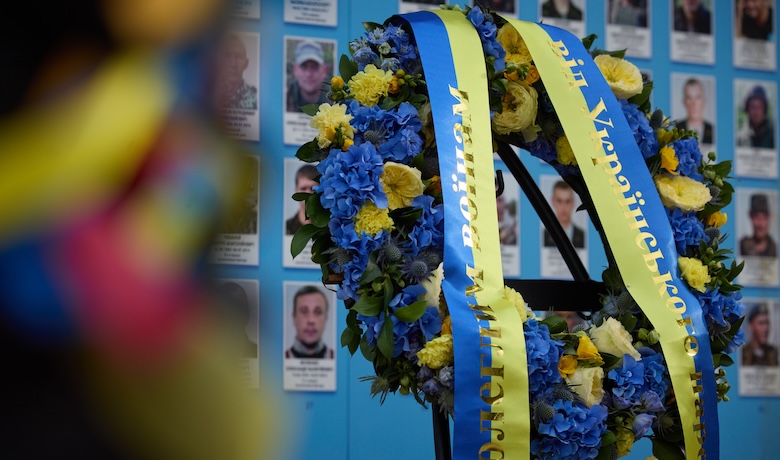
Military Use of Biometrics Series – Necrometrics and Contextualising Human Remains in Armed Conflict
Editors’ note: This post is part of a series relating to the law applicable to the military use of biometrics. It is drawn from the author’s article-length work, “Biometrics to Necrometrics: What the Dead Can Tell Us About War” appearing in the Journal of International Humanitarian Legal Studies. The introductory post is available here. “When […]